 Chinese Zodiac Guide
1956 Year of the Chinese Zodiac: Fire Monkey Dates
Quick Answer: The 1956 year of the Chinese zodiac was the Fire Monkey from February 12, 1956, through January 30, 1957, inclusive, using Lunar New Year as the cutoff. A birthday from January 1 through February 11, 1956, still falls in the preceding Wood Goat year. The Fire Rooster year begins on January 31, 1957.
Which sign applies on your birthday?
A family record may give the Gregorian year without the month and day. If it only says “born in 1956,” the zodiac sign cannot be pinned down: a January birthday and a summer birthday fall in different lunar years. Conversely, a January 1957 birthday can still belong to the Fire Monkey.
Quick Reference
| Gregorian birth date | Sign under the Lunar New Year convention |
|---|---|
| January 1 to February 11, 1956 | Wood Goat |
| February 12, 1956, to January 30, 1957 | Fire Monkey |
| January 31 to December 31, 1957 | Fire Rooster |
For example, February 11, 1956, is the last day of the previous lunar year, while February 12 is the first day of the new one. At the other end, January 30, 1957, still counts as Fire Monkey, but January 31 does not. If your record gives a lunar birthday, do not type its month and day into the Chinese zodiac calculator as though they were Gregorian dates. Convert the record first, or check the lunar date directly in the calendar tables below.
Quick Facts
- Lunar year name
- Bing-shen (Fire Monkey)
- First Fire Monkey day
- February 12, 1956
- Last Fire Monkey day
- January 30, 1957
- Cutoff used here
- Lunar New Year, not Spring Commences
The calendar source for each endpoint
Open the Hong Kong Observatory's 1956 conversion table. Find February in the left column and move across to Gregorian day 12. The lunar entry begins the first lunar month there, rather than on the first day of February. The table identifies the incoming year as Bing-shen, year of the Monkey.
To find when that Monkey year ends, use the 1957 conversion table. The first lunar month begins under January 31. That column is the first day of Ding-you, the Rooster year, so the preceding day is the last day of Bing-shen. This is why the 1956 Fire Monkey dates do not end on December 31. The zodiac years chart is useful for comparing years; the conversion tables are the better reference when one day changes the answer.
Why it is Fire Monkey, not just Monkey
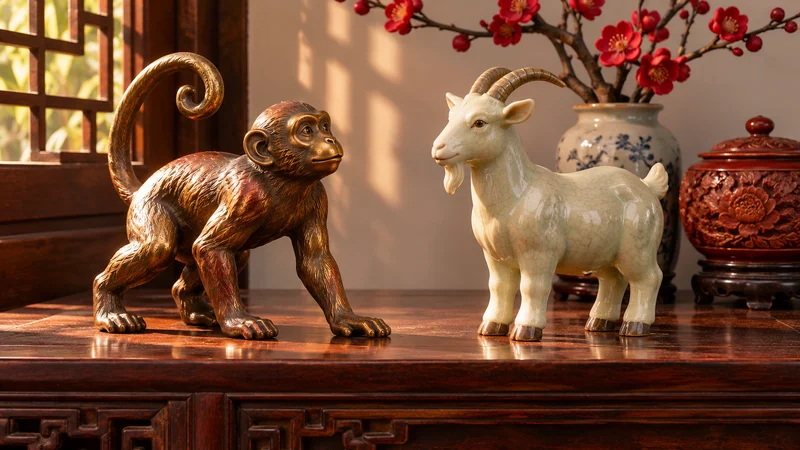
The two parts of Bing-shen (丙申) do different jobs. Bing (丙) is the heavenly stem and supplies Fire; Shen (申) is the earthly branch associated with the Monkey. The Harvard University Asia Center appendix, PDF page 14, Table 5, lists Bing and Ding under Fire. That is why the next year can be Fire Rooster without also being a Monkey year. The 1955 Observatory table names the outgoing year Yi-wei, year of the Goat; the same appendix places Yi under Wood.
The animal returns every 12 years, but the stem and branch together repeat every 60. Someone born in a different Monkey year need not have the same element. These are traditional calendar labels, not evidence about an individual's personality, relationships, or future.
Why a February reading might disagree
The 1956 table also marks Spring Commences (Li Chun) on February 5. That entry is a solar term, not the first day of the first lunar month. The Observatory's explanation of year naming notes that some fortune-telling practices use Spring Commences instead. A February 8 birthday is a useful example: it is Wood Goat under this page's Lunar New Year rule, although it is after the solar-term date. Before comparing results, ask which cutoff each source uses.

Common birthday questions
Is January 1956 a Monkey month for zodiac-year purposes?
No. A Gregorian birthday in January 1956 is still in the Wood Goat year under the Lunar New Year convention. The Fire Monkey starts on February 12.
Is January 30, 1957, still Fire Monkey?
Yes. January 30 is the last Fire Monkey day under the calendar used here. January 31 begins Fire Rooster.
Is “Wood Sheep” a different answer from “Wood Goat”?
Not in this lookup. Goat and Sheep are English labels for the same zodiac branch in the outgoing year; changing the English label does not change the date boundary.