 Chinese Zodiac Guide
Chinese Zodiac Placemats: Animal Order, Labels, and Buying Checks
Chinese Zodiac Placemats: Animal Order, Labels, and Buying Checks. Help readers inspect a zodiac placemat as a table item, verify the twelve-animal order and la
Quick Answer: A Chinese zodiac placemat is a decorative or educational table mat, not an official calendar. Check that all twelve animals appear once, the cycle order is correct, translations are identified, the material suits food-contact use, and care directions come from the maker. Help readers inspect a zodiac placemat as a table item, verify the twelve-animal order and language labels, and separate decoration from calendar accuracy. This guide keeps source facts, worked observations, and cultural interpretation in separate layers so that the answer can be checked without turning symbolism into certainty.
Chinese zodiac placemat product facts
- Cycle
- Twelve animal signs repeat in a fixed order
- Order check
- Rat, Ox, Tiger, Rabbit, Dragon, Snake, Horse, Goat, Monkey, Rooster, Dog, Pig
- Label variation
- Goat, Sheep, and Ram can reflect translation choices
- Product check
- Material, coating, heat limit, cleaning, and dimensions
- Claim boundary
- A printed animal does not establish a diner’s sign or predict outcomes
Start with the placemat as a physical table product
## Quick Answer A Chinese zodiac placemat is a decorative or educational table mat, not an official calendar. Check that all twelve animals appear once, the cycle order is correct, translations are identified, the material suits food-contact use, and care directions come from the maker. Help readers inspect a zodiac placemat as a table item, verify the twelve-animal order and language labels, and separate decoration from calendar accuracy. This guide keeps source facts, worked observations, and cultural interpretation in separate layers so that the answer can be checked without turning symbolism into certainty.
Begin with the recordable detail rather than a broad label. A listing photo may emphasize artwork while omitting dimensions, backing material, or care limits. For chinese placemat zodiac, record cycle as “Twelve animal signs repeat in a fixed order” and keep it beside the source or observation that supports it. That wording matters because a search phrase can join several questions that need different evidence. State the method before drawing a conclusion, preserve any missing information, and avoid filling gaps with a personality claim, sales promise, diagnosis, or prediction. A useful explanation remains narrow enough that a reader can tell which part is documented and which part is an optional interpretation.
A second pass should test the limits of that description. Help readers inspect a zodiac placemat as a table item, verify the twelve-animal order and language labels, and separate decoration from calendar accuracy. In practice, compare the stated input with label variation: Goat, Sheep, and Ram can reflect translation choices. If the page, package, record, or translation does not supply that detail, mark it unknown rather than converting an attractive image or familiar phrase into proof. Save the date and exact source used, because labels and web pages can change. The result should support a modest next action, such as checking a record, reading a complete passage, inspecting an object, or asking the maker. It should never substitute for medical, legal, financial, safety, mental-health, or other qualified professional advice.
Verify all twelve animals before judging the design
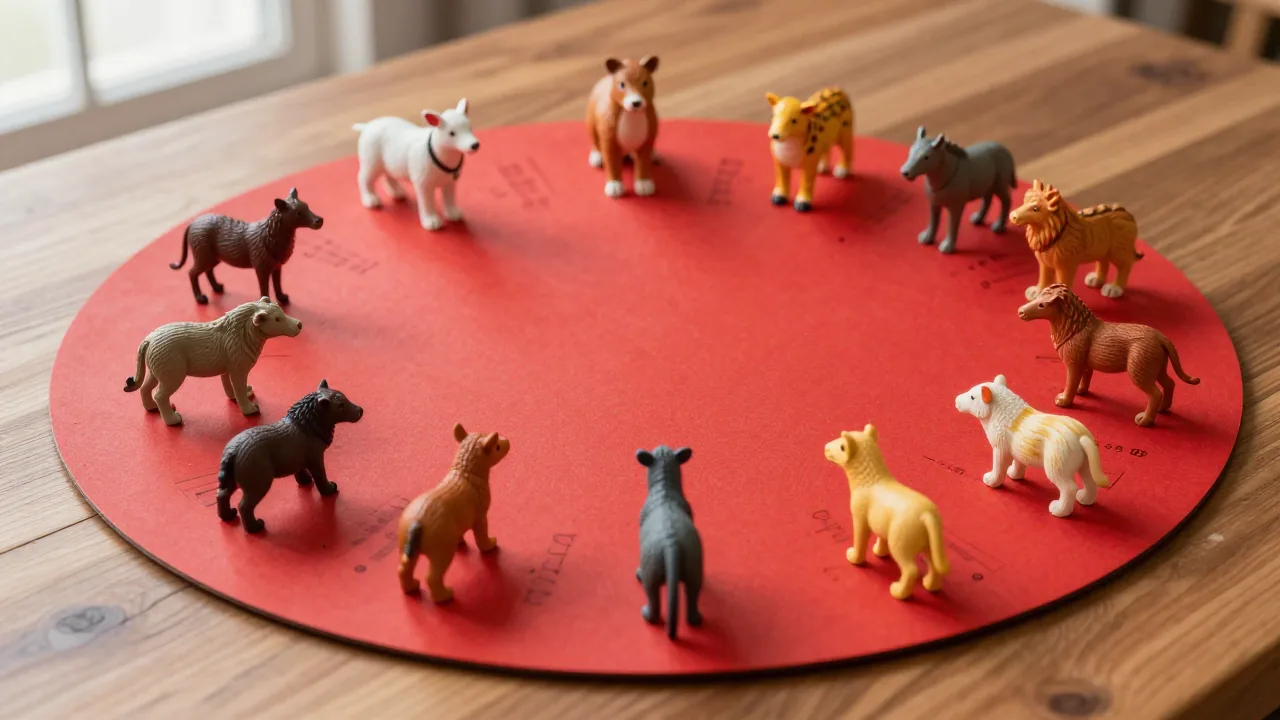
The first useful move is to separate description from interpretation. Missing or duplicated animals are easier to spot with a written cycle beside the product. For chinese placemat zodiac, record order check as “Rat, Ox, Tiger, Rabbit, Dragon, Snake, Horse, Goat, Monkey, Rooster, Dog, Pig” and keep it beside the source or observation that supports it. That wording matters because a search phrase can join several questions that need different evidence. State the method before drawing a conclusion, preserve any missing information, and avoid filling gaps with a personality claim, sales promise, diagnosis, or prediction. A useful explanation remains narrow enough that a reader can tell which part is documented and which part is an optional interpretation.
The next question is what the evidence does not establish. Help readers inspect a zodiac placemat as a table item, verify the twelve-animal order and language labels, and separate decoration from calendar accuracy. In practice, compare the stated input with product check: Material, coating, heat limit, cleaning, and dimensions. If the page, package, record, or translation does not supply that detail, mark it unknown rather than converting an attractive image or familiar phrase into proof. Save the date and exact source used, because labels and web pages can change. The result should support a modest next action, such as checking a record, reading a complete passage, inspecting an object, or asking the maker. It should never substitute for medical, legal, financial, safety, mental-health, or other qualified professional advice.
Check the sequence rather than the visual arrangement
A careful reader can make this section reproducible. Circular layouts can begin at any position, but the neighboring order should remain traceable. For chinese placemat zodiac, record label variation as “Goat, Sheep, and Ram can reflect translation choices” and keep it beside the source or observation that supports it. That wording matters because a search phrase can join several questions that need different evidence. State the method before drawing a conclusion, preserve any missing information, and avoid filling gaps with a personality claim, sales promise, diagnosis, or prediction. A useful explanation remains narrow enough that a reader can tell which part is documented and which part is an optional interpretation.
For a worked note, keep method and conclusion in separate sentences. Help readers inspect a zodiac placemat as a table item, verify the twelve-animal order and language labels, and separate decoration from calendar accuracy. In practice, compare the stated input with claim boundary: A printed animal does not establish a diner’s sign or predict outcomes. If the page, package, record, or translation does not supply that detail, mark it unknown rather than converting an attractive image or familiar phrase into proof. Save the date and exact source used, because labels and web pages can change. The result should support a modest next action, such as checking a record, reading a complete passage, inspecting an object, or asking the maker. It should never substitute for medical, legal, financial, safety, mental-health, or other qualified professional advice.
Read translation and year labels with care
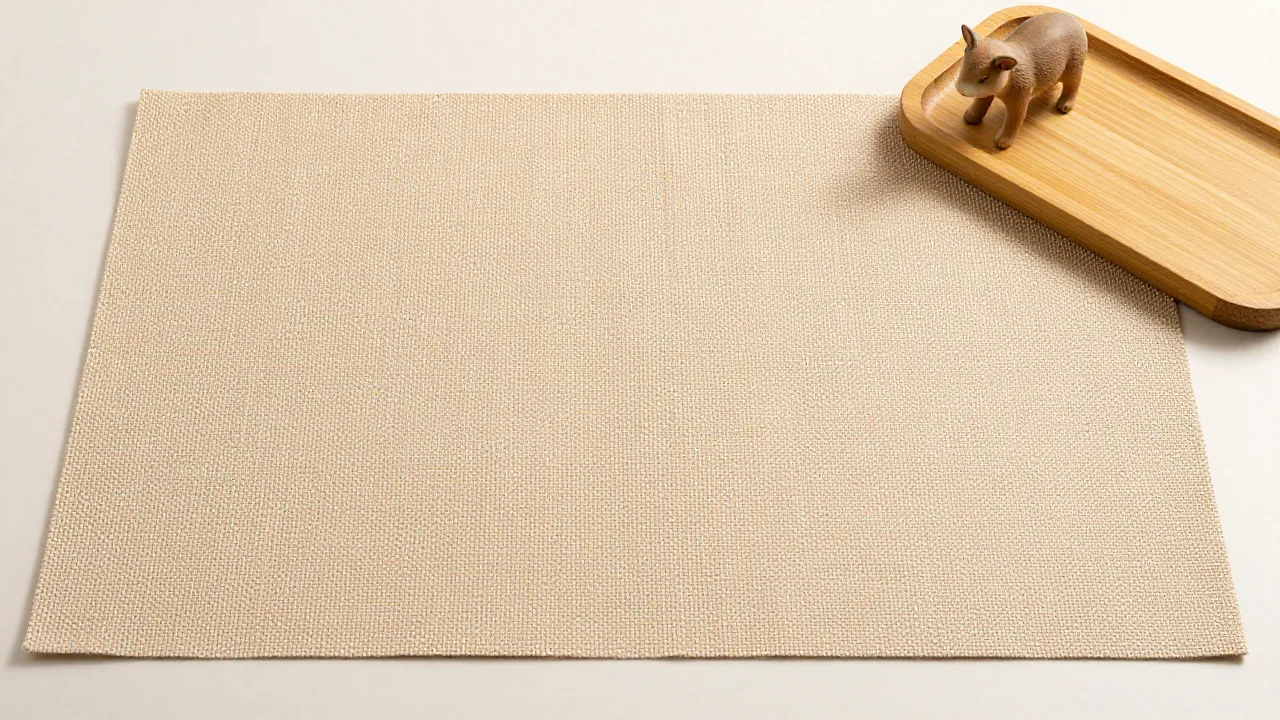
This part of the question becomes clearer when inputs are kept visible. English animal names and printed years need a declared calendar method if they claim to identify birthdays. For chinese placemat zodiac, record product check as “Material, coating, heat limit, cleaning, and dimensions” and keep it beside the source or observation that supports it. That wording matters because a search phrase can join several questions that need different evidence. State the method before drawing a conclusion, preserve any missing information, and avoid filling gaps with a personality claim, sales promise, diagnosis, or prediction. A useful explanation remains narrow enough that a reader can tell which part is documented and which part is an optional interpretation.
When sources disagree, preserve the disagreement instead of averaging it. Help readers inspect a zodiac placemat as a table item, verify the twelve-animal order and language labels, and separate decoration from calendar accuracy. In practice, compare the stated input with cycle: Twelve animal signs repeat in a fixed order. If the page, package, record, or translation does not supply that detail, mark it unknown rather than converting an attractive image or familiar phrase into proof. Save the date and exact source used, because labels and web pages can change. The result should support a modest next action, such as checking a record, reading a complete passage, inspecting an object, or asking the maker. It should never substitute for medical, legal, financial, safety, mental-health, or other qualified professional advice.
Inspect material, finish, and cleaning instructions
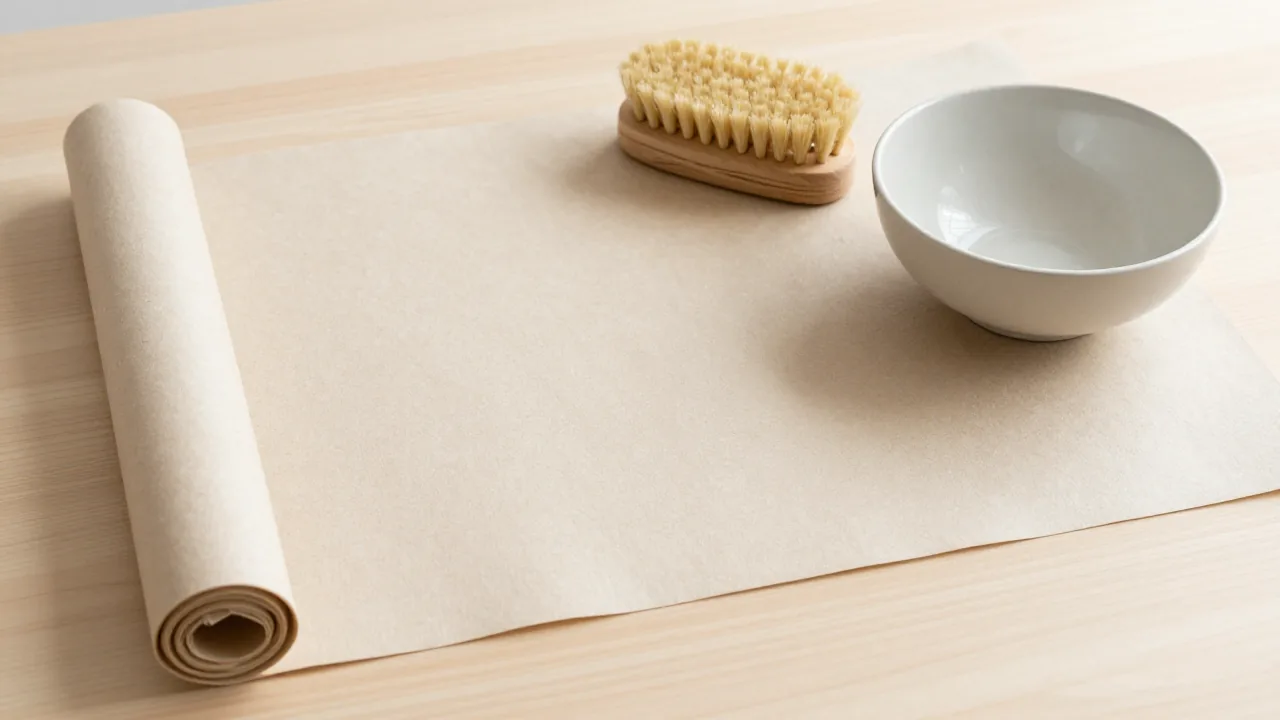
The practical distinction is easy to miss in a short search result. Heat resistance, food-contact claims, washing method, slip resistance, and edge condition are maker-specific facts. For chinese placemat zodiac, record claim boundary as “A printed animal does not establish a diner’s sign or predict outcomes” and keep it beside the source or observation that supports it. That wording matters because a search phrase can join several questions that need different evidence. State the method before drawing a conclusion, preserve any missing information, and avoid filling gaps with a personality claim, sales promise, diagnosis, or prediction. A useful explanation remains narrow enough that a reader can tell which part is documented and which part is an optional interpretation.
A reader should also record what would change the answer. Help readers inspect a zodiac placemat as a table item, verify the twelve-animal order and language labels, and separate decoration from calendar accuracy. In practice, compare the stated input with order check: Rat, Ox, Tiger, Rabbit, Dragon, Snake, Horse, Goat, Monkey, Rooster, Dog, Pig. If the page, package, record, or translation does not supply that detail, mark it unknown rather than converting an attractive image or familiar phrase into proof. Save the date and exact source used, because labels and web pages can change. The result should support a modest next action, such as checking a record, reading a complete passage, inspecting an object, or asking the maker. It should never substitute for medical, legal, financial, safety, mental-health, or other qualified professional advice.
Use the mat as a prompt, not a personality test
A bounded conclusion starts with what can actually be checked. The design can support conversation about the cycle without assigning traits or fortune to a person. For chinese placemat zodiac, record cycle as “Twelve animal signs repeat in a fixed order” and keep it beside the source or observation that supports it. That wording matters because a search phrase can join several questions that need different evidence. State the method before drawing a conclusion, preserve any missing information, and avoid filling gaps with a personality claim, sales promise, diagnosis, or prediction. A useful explanation remains narrow enough that a reader can tell which part is documented and which part is an optional interpretation.
The final check is whether another person could repeat the same steps. Help readers inspect a zodiac placemat as a table item, verify the twelve-animal order and language labels, and separate decoration from calendar accuracy. In practice, compare the stated input with label variation: Goat, Sheep, and Ram can reflect translation choices. If the page, package, record, or translation does not supply that detail, mark it unknown rather than converting an attractive image or familiar phrase into proof. Save the date and exact source used, because labels and web pages can change. The result should support a modest next action, such as checking a record, reading a complete passage, inspecting an object, or asking the maker. It should never substitute for medical, legal, financial, safety, mental-health, or other qualified professional advice.
Further Reading
- Chinese zodiac year table - Chinese zodiac calculator
- Wikipedia Chinese zodiac overview
Check animal order, labels, and material
- **Cycle:** Twelve animal signs repeat in a fixed order
- **Order check:** Rat, Ox, Tiger, Rabbit, Dragon, Snake, Horse, Goat, Monkey, Rooster, Dog, Pig
- **Label variation:** Goat, Sheep, and Ram can reflect translation choices
- **Product check:** Material, coating, heat limit, cleaning, and dimensions
- **Claim boundary:** A printed animal does not establish a diner’s sign or predict outcomes
Questions about Chinese zodiac placemats
How should I handle cycle for chinese placemat zodiac?
Twelve animal signs repeat in a fixed order. Treat that field as one bounded part of the review, preserve its source, and do not extend it into an outcome claim.
How should I handle order check for chinese placemat zodiac?
Rat, Ox, Tiger, Rabbit, Dragon, Snake, Horse, Goat, Monkey, Rooster, Dog, Pig. Treat that field as one bounded part of the review, preserve its source, and do not extend it into an outcome claim.
How should I handle label variation for chinese placemat zodiac?
Goat, Sheep, and Ram can reflect translation choices. Treat that field as one bounded part of the review, preserve its source, and do not extend it into an outcome claim.
How should I handle product check for chinese placemat zodiac?
Material, coating, heat limit, cleaning, and dimensions. Treat that field as one bounded part of the review, preserve its source, and do not extend it into an outcome claim.
How should I handle claim boundary for chinese placemat zodiac?
A printed animal does not establish a diner’s sign or predict outcomes. Treat that field as one bounded part of the review, preserve its source, and do not extend it into an outcome claim.