 Chinese Zodiac Guide
Chinese Zodiac Symbols: Compare Animal Pictures and Characters
Chinese Zodiac Symbols: Compare Animal Pictures and Characters. Distinguish an animal illustration, a Chinese animal-name character, and an Earthly Branch label when
Quick Answer: Chinese zodiac symbols can be animal pictures, Chinese animal-name characters, or Earthly Branch labels. They are related but not interchangeable. For example, a rat picture, 鼠, and 子 occupy different labeling roles. Identify the label type before copying a chart or treating it as a birthday lookup.
Symbol types at a glance
- Picture option
- An illustration depicts the named animal; styles vary.
- Character option
- An animal-name character and a calendrical Branch label are not interchangeable.
- Rat example
- 鼠 names the animal; 子 is its Earthly Branch association.
- Goat translation variants
- Goat, Sheep, and Ram are English renderings used for 羊.
- Birth lookup difference
- A symbol chart alone does not determine a birthday boundary.
Three kinds of zodiac symbols on one chart
A decorative zodiac chart can combine illustrations, writing, and calendar notation on the same row. Readers searching for Chinese symbols for zodiac may want a picture, a character to learn, or a sign label to recognize. This guide compares those needs rather than supplying another animal-year calculator or another list of personality traits.
An animal picture depicts a creature. An animal-name character writes its name. An Earthly Branch is a calendrical label associated with that animal in the traditional cycle. A chart may include all three, but that does not make each mark a different drawing of the same character. The Chinese zodiac overview gives the animals and their Branch associations.
Start by checking the column headings. A chart labeled animal names should not silently substitute Branch characters. Likewise, a Branch column needs to be identified as calendar notation. The reader should not have to infer the category from decorative styling or the position of an illustration.
A chart can contain more than one sort of symbol in the same square. A small rat drawing might sit beside the character for the animal and a second character belonging to the Earthly Branch sequence. The fact that they share a square does not make them interchangeable spellings. Start by asking what the column labels say. An animal illustration identifies a creature; an animal-name character is a written word; an Earthly Branch marks a position in a traditional sequence. If the heading is missing or unreadable, leave the category uncertain rather than copying an unfamiliar character as the animal's name.
An animal picture is a depiction, not a character
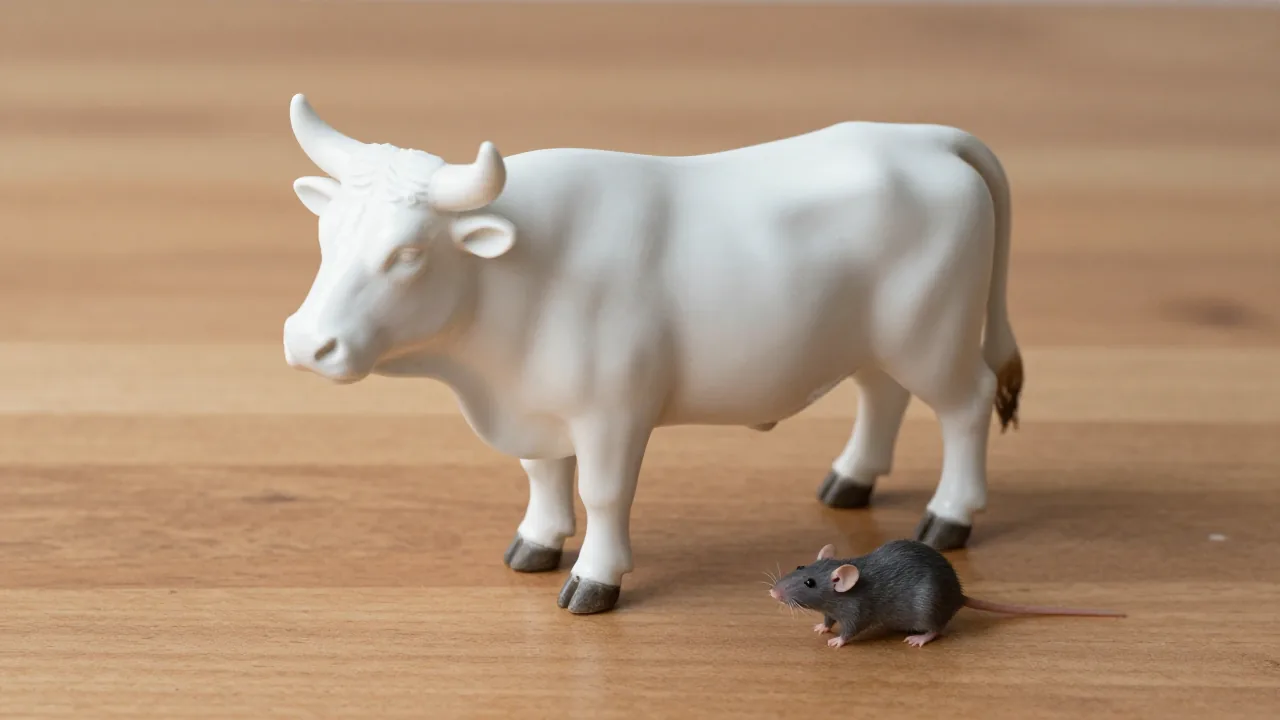
An illustrator may depict a rat realistically, as a rounded cartoon, or as a stylized ornament. Those choices affect recognition but do not create a new written character. A drawing of horns, a tail, or a head is not automatically an explanation of how a Chinese character developed.
For a learning activity, ask what features make the intended animal recognizable. Then show its written name separately if writing is part of the lesson. Avoid presenting a modern commercial illustration as an ancient or officially standardized symbol unless a source establishes that claim. A clear picture can serve as a teaching aid without being assigned an invented history.
For a hypothetical classroom display, put two cards next to each other: a drawing of a rat on one and the printed word Rat on the other. They perform a similar identification task using different forms. Now add a card saying First position. That card supplies ordering information, not another picture or a translation of Rat. This English-language exercise is only an analogy for keeping categories separate. It does not reproduce the full historical use of Earthly Branches. A real chart should supply its actual characters, reading direction, and source instead of relying on the analogy alone.
Animal-name characters and Earthly Branches are different labels
In the rat example, 鼠 is the animal-name character, while 子 is the associated Earthly Branch. Copying 子 under a heading that promises the Chinese word for rat confuses those functions. A learner could recognize the chart position correctly while still learning the wrong explanation of the written label.
If you use an image containing characters, verify them against a readable source rather than trusting a decorative font or generated lettering. Keep text as actual checked text in the eventual page, not as unverified marks inside an illustration. A final bitmap can show the animal while the adjacent HTML supplies the verified label.
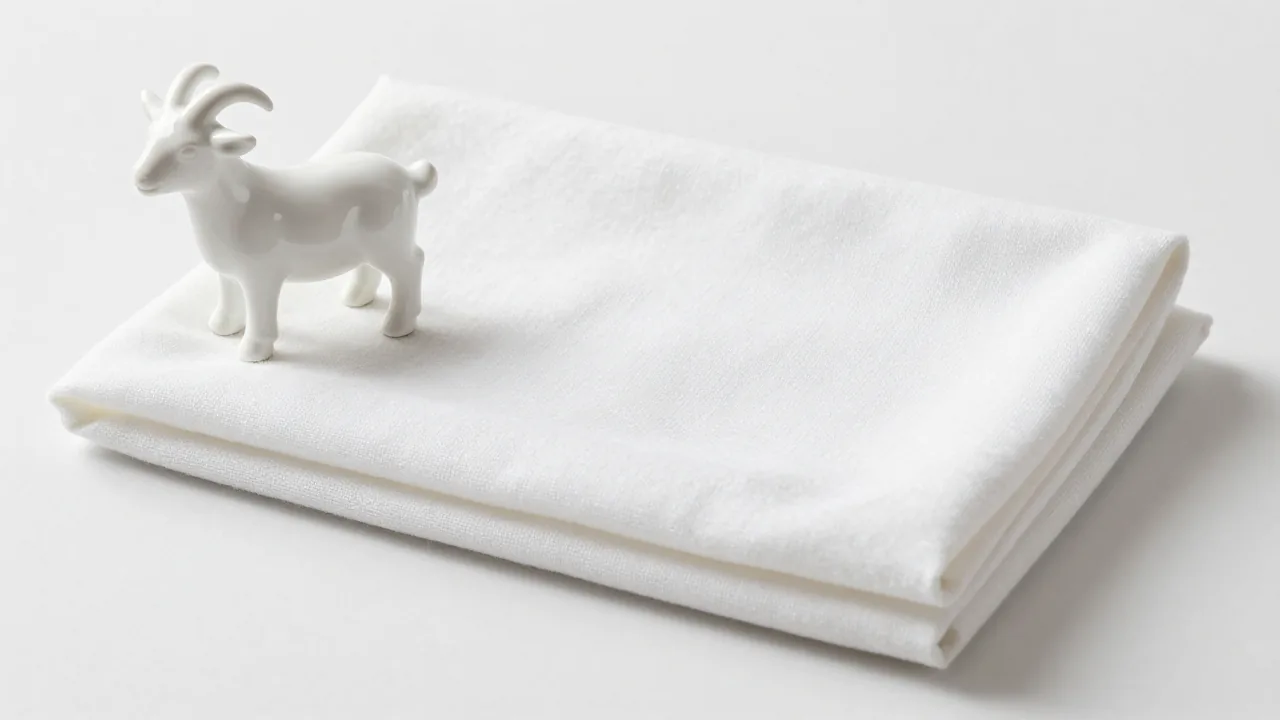
A tiny decorative image can be harder to identify than a clear animal photograph. A simplified goat, sheep, or ram motif may show only curved horns and a rounded body. English labels also vary for the associated zodiac animal. Do not use horn shape to settle a translation dispute when the image was designed as decoration. Compare the written label with the chart's own explanation. When teaching, note that Goat, Sheep, and Ram are English renderings used in this context, rather than asking a child to prove that one ornament is zoologically precise. A translation note is more useful than a claim that every artist must draw the same species.
Translation variants need an explicit picture match
Goat, Sheep, and Ram are English variants encountered for 羊 in zodiac descriptions. An English choice and a particular illustration can therefore differ without implying an additional thirteenth sign. Explain the wording used by the chart and keep the picture match clear.
This does not mean every related calendar tradition uses identical animals. If a chart intentionally represents another community's version, name that context and verify its details separately. Do not silently combine labels from several traditions into one supposed universal Chinese chart. An explanation of translation is useful; a claim that every animal image across cultures is interchangeable is not.
Copying a character from a low-resolution image introduces a different problem. A line may be hidden by a patterned background, joined to an adjacent border, or cut off by the crop. Enlarging that screenshot does not restore evidence that was never captured. Find a legible source before making a transcription, and distinguish a typed transcription from the original image. For a worksheet, keep a link to the source and a separate field for the copied text. If you cannot identify a mark confidently, record that limitation; an attractive decorative mark need not be assigned a linguistic meaning to make the display usable.
Compare a teaching chart before copying it
For a teaching chart, compare readability, label category, source, and intended task. Are the pictures distinguishable at the size students will see? Does the text identify whether it is an animal name or a Branch? Are English variants explained where they could cause confusion?
If the activity involves copying characters, obtain a checked written model and suitable language guidance. A decorative ornament photograph is not a stroke-order lesson. If the activity is recognition, keep the picture uncluttered and the label near it. The choice depends on the task, not on which layout appears most traditional.
The direction of a circular chart is another practical detail. An animal nearest the top is not necessarily the first entry, and a clockwise layout is not automatically the same as the order on another poster. Look for an ordering cue, a numbered legend, or an explanation of where to begin. If two charts use different starting positions but preserve the same relative sequence, their layouts may differ without their underlying association being different. This is a chart-reading question, not a reason to recalculate a person's sign. Birth classification still needs the date and the calendar convention, neither of which can be inferred from a decorative circle.
A worked chart-reading example without a birth prediction
Consider a hypothetical chart row with a rat illustration, 鼠 in one column, and 子 in another. First identify the illustration. Next read the first text column as the animal name and the second as a Branch association. Finally, check the legend rather than assuming the two text columns are synonyms.
That row still does not classify a person's birthday. A calendar lookup needs a date and a stated boundary convention. The Chinese calendar overview address date conversion, not the design of a teaching illustration. Use the site's year lookup for that separate task, and do not infer a person's character or future from a picture on the chart.
A clear zodiac chart tells the reader which kind of symbol each column contains. Keeping pictures, animal names, and calendar labels distinct makes the chart useful without asking it to perform a birthday lookup or a personality assessment.
When preparing an educational label, say exactly what the display contains: animal pictures, animal-name characters, or a chart connecting animals with Earthly Branches. Avoid a heading such as Authentic Chinese Symbols if the provenance and intended use have not been established. A contemporary ornament is a contemporary interpretation even when its subject belongs to an older tradition. Keep the image credit or source record with the display, and do not treat generated supporting photographs as historical artifacts. The reader's useful takeaway is a distinction between representations, not a promise that recognizing a symbol reveals personality, luck, or compatibility.
Picture, writing, or calendar label?
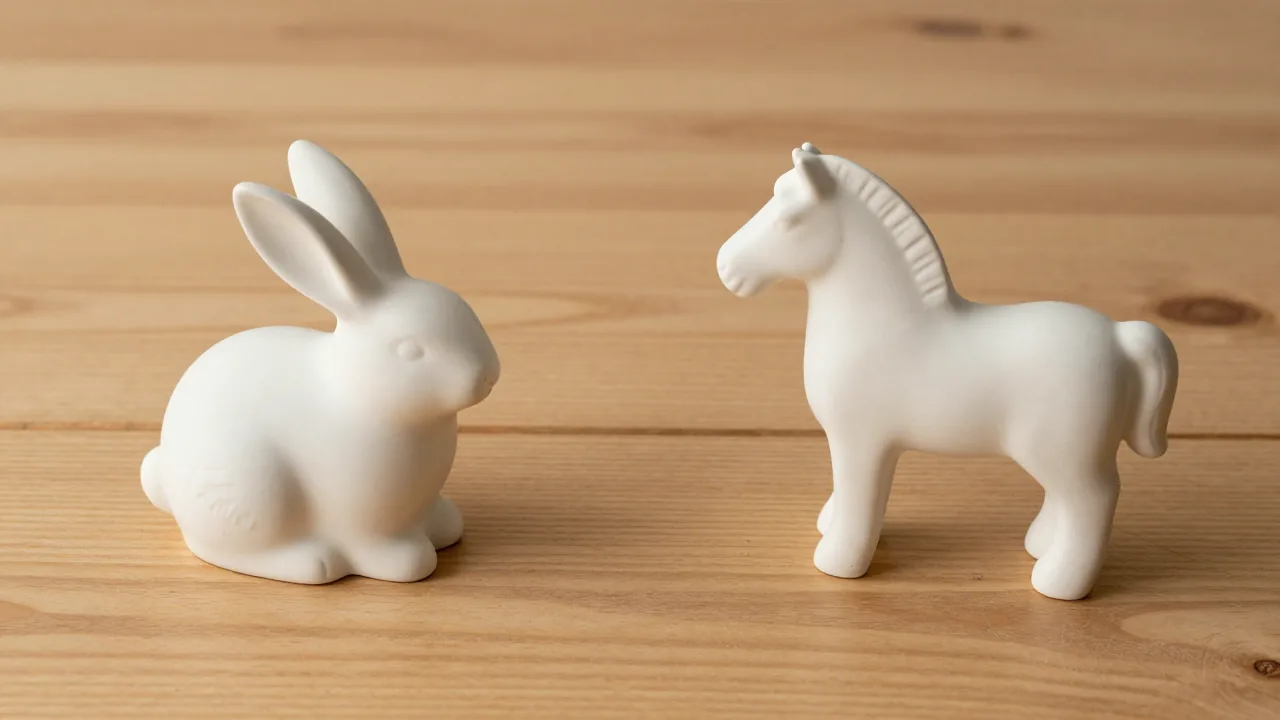
- Picture: depiction. Animal-name character: written name. Earthly Branch: associated calendar label. Birthday classification: separate date lookup.
FAQ: Zodiac pictures and characters
Is a rat drawing the same as the Chinese character for rat?
No. A drawing depicts the animal; 鼠 writes its name.
Why does a rat row sometimes contain 子?
That is the Earthly Branch associated with the rat, not an interchangeable animal-name label.
Do Goat, Sheep, and Ram identify three extra zodiac signs?
No. They are English renderings encountered for 羊; explain the wording and illustration used.
Can a decorative zodiac chart teach stroke order?
Not by itself. Use a checked written model and appropriate language instruction for that task.
Can these symbols tell me my birth-year sign?
Only a date lookup under a stated calendar convention can resolve the birthday boundary. A symbol chart alone cannot.