 Chinese Zodiac Guide
Chinese Zodiac Compatibility: Cultural Context, Not a Relationship Verdict
Use Chinese zodiac compatibility as cultural context and a conversation prompt, not a relationship verdict.
Chinese zodiac compatibility is cultural context, not evidence that a relationship will succeed or fail.
Compatibility context facts
- What a chart is
- A compatibility chart is a cultural description of animal-pair traditions, not a measurement of a relationship.
- Useful first question
- Start with the real question two people need to discuss before looking for a zodiac pairing.
- Conversation use
- Pair descriptions can suggest a topic to talk about, but they cannot supply an answer for either person.
- Everyday evidence
- Reliability, consent, communication, and shared circumstances are better evidence for a relationship decision.
- Decision boundary
- No zodiac pairing can prove that a relationship will succeed, fail, or require a particular choice.
What compatibility charts cannot decide
Chinese zodiac compatibility charts are often read as if an animal pair can settle a relationship question. They cannot. The charts are cultural shorthand attached to the twelve-animal cycle, while a relationship is made from people, circumstances, communication, and choices that a birth-year label cannot observe.
That boundary does not require dismissing the tradition. A chart can be interesting at a family gathering or a starting point for learning about zodiac animals. It becomes misleading when a general pairing description is treated as evidence that one person is safe, unsuitable, loyal, or destined for another person.
Keep the claim modest: the chart can describe a cultural pattern people recognize. It cannot deliver a verdict about a particular couple, friendship, or work partnership. That distinction lets the tradition remain part of a conversation without giving it authority it does not have.
Use a real relationship question first
Before opening a compatibility chart, name the practical question. It might be whether two people have talked clearly about money, whether a new friendship respects boundaries, or whether a couple is making time for difficult conversations. A clear question prevents a zodiac label from becoming a substitute for the issue itself.
Ask what facts would actually help answer that question. Recent behavior, agreements, safety, mutual respect, and the ability to repair a misunderstanding give more useful information than a favorable or unfavorable animal pairing. These details can be discussed, checked, and changed; a chart cannot do that work.
If the question is consequential, slow down further. A compatibility description should never decide whether to start, continue, leave, marry, lend money to, or trust someone. Put the real question in ordinary language first, then decide whether the zodiac tradition adds a light cultural prompt or no help at all.
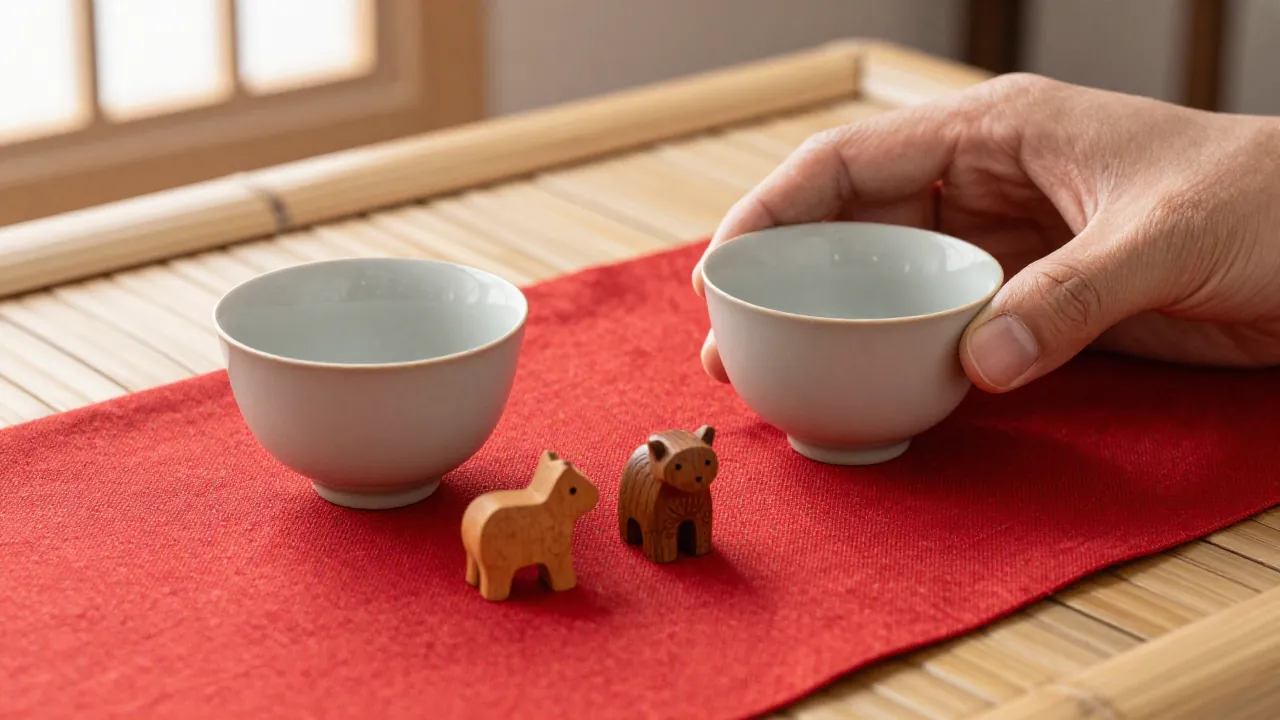
Treat animal-pair descriptions as conversation prompts
When a pairing description feels familiar, use it as a prompt rather than a conclusion. For example, a note about different temperaments can lead to a useful question: when pressure rises, do we each ask for space, seek reassurance, or avoid the conversation? The answer comes from the people involved, not from the animal names.
This approach keeps a chart from assigning fixed roles. Rather than saying that one sign is always difficult or another is naturally compatible, ask each person what they need in a recurring situation. A cultural label may make the topic easier to introduce, but it should not turn a preference into a permanent trait.
Conversation prompts work best when they stay specific and reversible. Discuss one ordinary situation, listen to both accounts, and see whether a small agreement helps. If the chart contributes nothing useful, set it aside. It has done no harm when it remains optional rather than becoming a rule.

Check everyday evidence before deciding
Everyday evidence is plain but important. Notice whether people keep agreements, respect a no, share responsibility, tell the truth when it is inconvenient, and make room for each others needs. These observations say more about a relationship than a chart because they concern what is happening now.
A short record can help when a decision feels confusing. Write down one concern, the specific behavior connected to it, what has already been discussed, and what would need to change. This keeps attention on actions instead of making a cultural category carry the weight of a difficult choice.
For decisions involving safety, coercion, abuse, health, legal obligations, or money, seek appropriate support from trusted people or qualified professionals. A zodiac chart is not a risk assessment. Cultural interest belongs beside everyday judgment, never in place of it.

Keep culture separate from a relationship verdict
Chinese zodiac compatibility can be a friendly way to compare traditions, ask a question, or notice how family members tell stories about the animal cycle. It does not need to disappear from a relationship conversation. It simply needs to stay in the cultural lane where it is honest and useful.
A careful sentence is enough: this pairing is an interesting traditional description, and the relationship still depends on how the people involved communicate and act. That wording leaves room for curiosity without asking a calendar system to forecast a private future.
When a chart produces anxiety, return to the evidence already available. Talk about the actual concern, choose one workable next step, and reassess from what happens. The cultural reference can remain a shared point of interest; the verdict belongs to neither the chart nor the zodiac animals.
Compatibility context checklist
- Name the real relationship question before checking an animal-pair chart.
- Use a pairing description only as a possible conversation prompt.
- Ask about recent communication, respect, agreements, and shared circumstances.
- Keep a cultural description separate from a decision about a person.
- Seek appropriate support for safety, legal, health, or financial concerns.
Chinese zodiac compatibility questions
Is Chinese zodiac compatibility a prediction?
No. It is a cultural tradition and cannot predict whether a relationship will work or fail.
Can incompatible signs have a good relationship?
Yes. A chart cannot determine a relationship outcome. Communication, respect, circumstances, and choices remain more relevant.
How should I use a compatibility chart?
Use it as an optional conversation prompt, then discuss the specific question and look at everyday evidence rather than treating the pairing as a verdict.
Should zodiac compatibility decide a relationship choice?
No. It should not decide whether to begin, end, continue, or trust a relationship, especially where safety, money, health, or legal obligations are involved.