 Chinese Zodiac Guide
Gold Chinese Zodiac Pendants: Compare Meaning and Material Checks
Compare gold Chinese zodiac pendant motifs, material descriptions, birthday associations, and gift meanings without treating symbolism as guaranteed luck.
Quick Answer: A gold Chinese zodiac pendant is jewelry featuring a zodiac animal. Evaluate the motif, the recipient's intended meaning, and the material description separately. A recognizable animal does not authenticate gold, while a gold description does not make the pendant a source of guaranteed luck. If the intended animal depends on a birth year, check the relevant calendar boundary rather than assuming every January birthday has the same sign as the rest of that Gregorian year.
Four pendant details: motif, date, metal, and personal meaning
- Animal motif
- One of the twelve zodiac animals; recognize the depicted animal rather than relying on color.
- Metal description
- Gold-colored appearance alone does not establish composition.
- Recipient preference
- A zodiac animal can be a chosen personal symbol rather than a birth-year calculation.
- Cultural limit
- Animal symbolism is not an assurance of prosperity or compatibility.
Animal symbolism vs metal composition
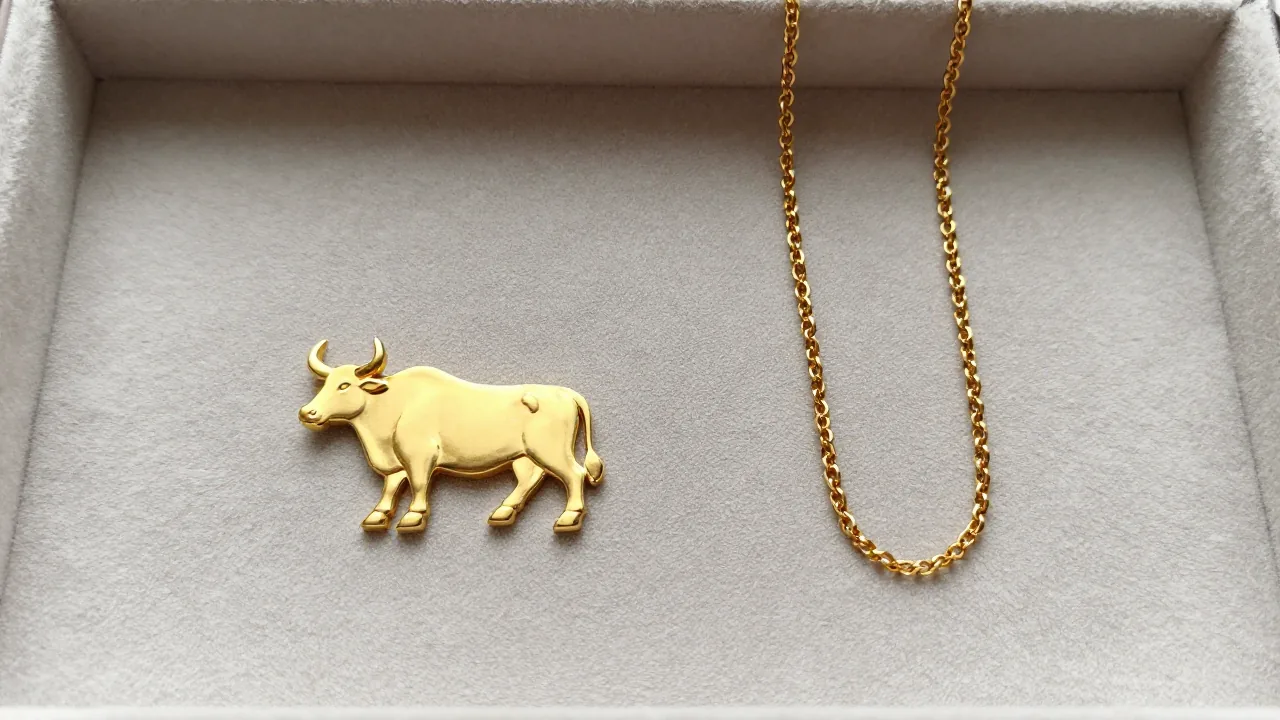
# Gold Chinese Zodiac Pendants: Compare Meaning and Material Checks A pendant can be a personal symbol without being a prediction. An ox on a chain might recall a birthday, a family celebration, or simply an animal the wearer likes. Its gold-colored surface answers none of those questions, and the animal on its front tells you nothing about the metal underneath. Keeping those two subjects separate makes descriptions easier to understand and gifts easier to discuss.
Start with what the pendant actually depicts. A stylized animal may be clear in a large photograph but harder to recognize at its real size. Horns, ears, posture, and the shape of the body can matter more than a seller's decorative name. If you cannot tell which animal it is, ask for a clearer photograph rather than inventing an explanation for an ambiguous silhouette.
An animal motif belongs to the cultural and personal side of the object. Metal composition belongs to the physical side. These can be discussed together, but one should not be used as evidence for the other. A carefully made plated pendant may depict an animal clearly. A pendant described as gold may still use a highly simplified shape that the recipient dislikes. Neither description resolves the other concern.
Consider an illustrative gift conversation: one person wants an ox because it recalls a relative's year sign; another wants an ox because they admire the animal. Both are understandable intentions. Only the first requires a birthday lookup. Neither implies that everyone associated with the Ox has the same temperament. The [Ox zodiac profile](/chinese-zodiac/ox/) gives cultural context, not a personality assessment.
Treat design terms as design terms. Words such as traditional, lucky, or auspicious need context if they are presented as historical statements. Without a source identifying a specific design, community, or period, it is safer to describe the visible animal and the wearer's own association. A modern pendant need not be ancient to have personal meaning.
When a birthday motif needs a calendar check
Before choosing an animal for a birthday, establish which convention the recipient intends to use. A familiar Lunar New Year lookup is not interchangeable with every specialized Chinese calendrical practice. Someone using a different boundary for a particular tradition may reach a different answer near the transition. That is a reason to state the convention, not to accuse the other person of getting their identity wrong.
For a January or early-February birthday, the Gregorian year alone may not settle the matter. The practical task is to compare the complete date against the chosen year boundary. If a relative says they have always used a particular animal, ask whether they want that family association preserved. A gift is not the place to impose an unexpected correction based on an assumption about their practice.
For example, a request for an ox pendant could arise from a 1997 birthday. The [1997 year-sign guide](/guides/1997-year-of-the-chinese-zodiac/) is the appropriate place to check that year's boundary. This pendant article does not reproduce that date table because its main task is understanding the object and its description. Follow the date reference if a birth-year calculation is actually needed.
If the animal is a chosen motif rather than a birthday sign, say so plainly. There is no need to perform a calculation that the wearer did not ask for. A short explanation such as "I chose this animal because it reminds me of you" can be more accurate than attributing a fixed set of traits to a person on the strength of their birth year.
Read the material wording without letting the motif distract you
The US Federal Trade Commission's consumer guide to precious-metal jewelry explains that gold jewelry can be described by its karat content and that gold can also be applied as a surface layer. That consumer guidance supports a narrow point here: descriptions of composition need more precision than a gold-colored appearance. It does not authenticate an individual pendant or explain zodiac symbolism.
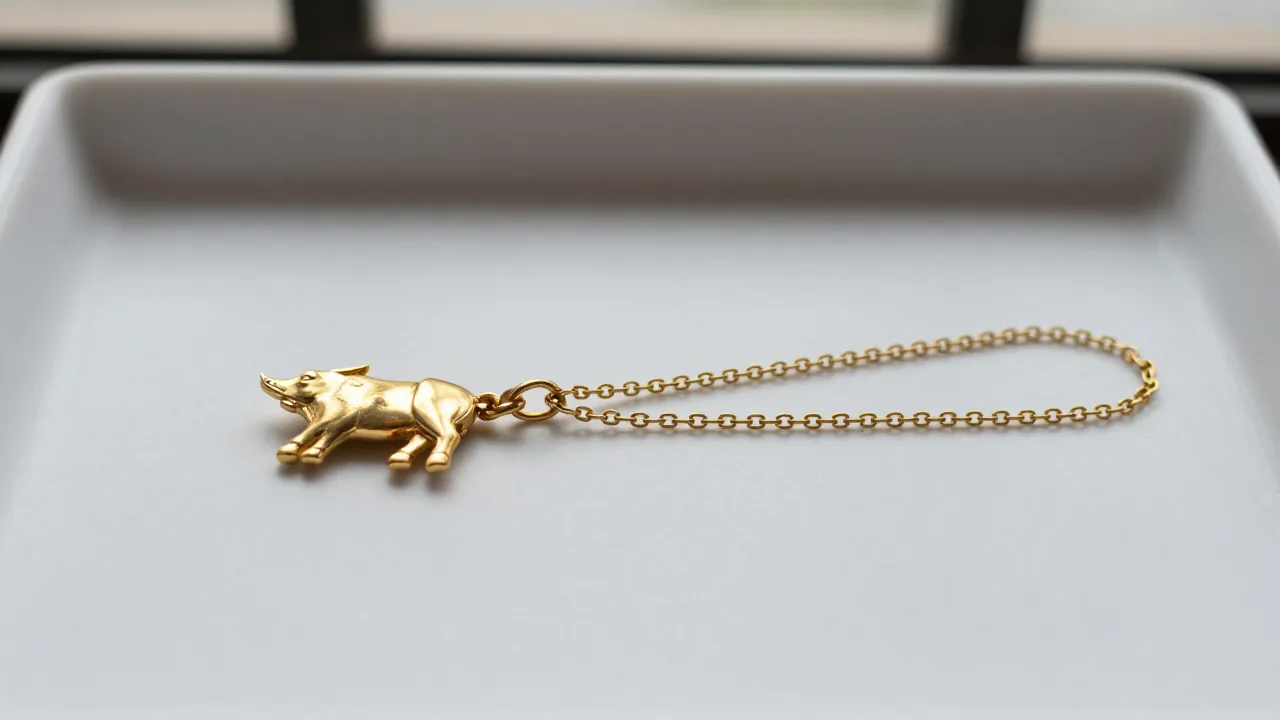
Read the description of the pendant and the description of any included chain independently. An attractive photograph showing both does not tell you that both components have the same composition. Likewise, a material description for one component should not silently be extended to the clasp, connecting ring, or other components. Ask which item a statement actually describes.
Avoid drawing conclusions from lighting. A warm photograph may emphasize color, while another photograph of the same object may appear less yellow. A color difference on screen is not a reliable purity test. If a listing leaves a question open, note the missing information instead of treating a visual impression as a measurement.
Keep a distinction between understanding a claim and verifying it. You can identify that a description is incomplete without being qualified to authenticate jewelry. If independent authentication matters, obtain appropriate help rather than relying on this article, a zodiac motif, or an enlarged photograph. This guide does not estimate value, recommend an investment, or certify a seller.
A gift conversation is more useful than a lucky promise
Ask the recipient whether they want jewelry that is noticeable, understated, worn regularly, or kept as a commemorative object. Those are practical preferences, not zodiac predictions. A small animal shape may suit someone who likes a quiet personal reference, while another person may prefer a more recognizable design. The answer comes from the person, not from a general description of their animal sign.
Separate the meaning you want to express from the outcome you cannot promise. You may intend affection, encouragement, or a connection to family celebrations. You cannot establish that wearing the pendant will bring wealth, prevent misfortune, or improve a relationship. A seller's symbolic language should not be converted into an assurance about the recipient's future.
For a family gift, agree on the wording before presenting the object. "This animal recalls your birthday tradition" leaves room for the recipient's own interpretation. "You must wear this to avoid bad luck" creates pressure and asserts something the object cannot demonstrate. The first statement explains your intention; the second turns a gesture into an unsupported obligation.
The same restraint helps when someone is unfamiliar with the zodiac. Explain that the pendant features an animal associated with the cycle, then describe why you chose it. You do not need to deliver a complete cultural lecture or assign personality traits. Leave space for questions, and use the [guide collection](/guides/) for further reading if the recipient wants it.
Look at the whole pendant, not only the front
A front view is useful for recognizing the animal, but it can hide the connection between the pendant and chain. Request views that show the side, back, and attachment loop if those details are relevant to understanding the object. Treat these as observations about the design, not as a remote inspection proving quality or authenticity.
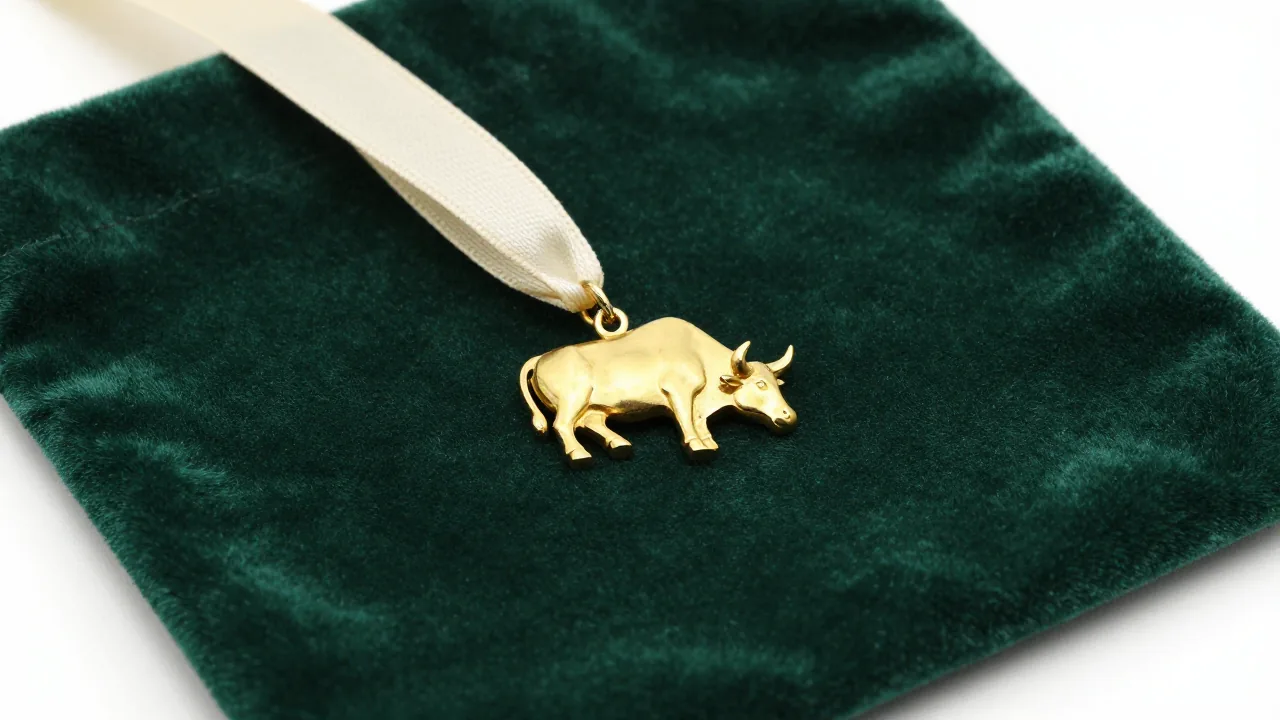
When evaluating photographs, distinguish the pendant from props. A gift box, ribbon, or decorative background can make an object easier to present without providing information about its composition. Ask whether a chain pictured with the pendant is included. Keep dimensions attached to the correct component so that a chain length is not mistaken for a pendant measurement.
For an object already in your possession, follow the maker's instructions for handling and care. Do not improvise chemical or abrasive tests from online discussions. If the piece has a sentimental role, preserving that object may be more important than trying to prove a claim at home. A qualified professional can advise on questions that a general article cannot resolve.
An informative description should let you recognize what remains unknown. Missing photographs, uncertain component descriptions, or an unexplained motif do not automatically prove wrongdoing. They are reasons to pause and request clarification. It is better to retain an unanswered question than to fill it with a convenient assumption about the animal or the gold color.
Zodiac pendant decisions: separate symbolism from material evidence
- Recognize the animal without inferring composition.
- Check a full birth date only when a birthday association is intended.
- Read pendant and chain descriptions independently.
- Discuss personal meaning without promising luck.
- Use qualified help when authentication is required.
Zodiac pendant FAQ
Does a gold zodiac pendant have to match the wearer's birth year?
Not necessarily. A person can choose an animal for its appearance or a personal association. If the gift is specifically intended as a birth-year symbol, check the calendar convention and the complete date rather than assuming the animal from the Gregorian year alone.
Does an ox motif prove that the pendant is gold?
No. The animal is a design feature. Composition needs its own description and, where necessary, appropriate verification. A motif, color, gift box, or cultural story cannot authenticate the material.
Should the pendant and chain be treated as one material claim?
Only if the description explicitly covers both. Read which components each statement describes and ask about ambiguity. A photograph of a pendant on a chain does not establish that the components share the same composition or are both included.
Is it accurate to promise prosperity when giving the pendant?
No. You can explain a symbolic intention or express a wish, but neither establishes a future result. Avoid presenting the gift as protection, a financial benefit, or a requirement the recipient must follow.
Can I authenticate a pendant from an enlarged photograph?
This guide does not provide remote authentication. A clearer photograph may help you understand the visible design, but questions about composition or authenticity may require appropriate professional assessment.