 Chinese Zodiac Guide
Fire Dog Zodiac: Years, Boundaries, and Cycle Context
A focused guide to fire dog zodiac, with facts, practical checks, context, and clear limits.
Quick Answer: Fire Dog combines the Dog branch with the Fire element in the sixty-year cycle. The label is cultural context, not a personal forecast.
Fire Dog dates at a glance
- Cycle label
- Fire Dog combines the Dog branch with the Fire element in the sixty-year cycle.
- Recent year
- 2006 is a recent Fire Dog year; the label repeats every sixty years.
- Zodiac year boundary
- The zodiac year begins at Lunar New Year, not January 1.
- Lookup input
- A complete birth date is essential for January or February births.
- Claim limit
- The label is cultural context, not a personal forecast.
Which dates actually belong to a Fire Dog year
Fire Dog is a stem-and-branch year label, not a label that begins automatically on January 1. A recent occurrence began at Lunar New Year in 2006 and continued until the next lunar-year boundary. Someone born in the opening weeks of 2006 therefore needs the full birth date, because that birthday may still fall in the preceding zodiac year.
The same boundary rule applies to earlier and later repetitions. Start with a dated lunar-year table, locate the New Year boundary for the relevant Gregorian year, and only then attach the animal-element label. This date-first method prevents the common error of assigning every January or early-February birthday to the Gregorian year printed on a form.
For example, a person born on January 28, 2006 should not be classified by looking only at the four digits in the year. The 2006 Lunar New Year began later, so that date belongs to the preceding animal-element year. A person born after the boundary can use the new label. Published tables sometimes simplify a zodiac year to a single Gregorian year because that is convenient for scanning, but the simplification is not precise enough for a boundary birthday. When sources disagree, compare the dates they use for Lunar New Year and make sure they are discussing the same time zone and calendar convention.
Preserve the source alongside the result so the lookup can be audited later. This boundary method is especially important in family records, classroom activities, and gift guides, where an attractive year label can otherwise be repeated without anyone checking the actual birthday.
Why Fire Dog returns every sixty years
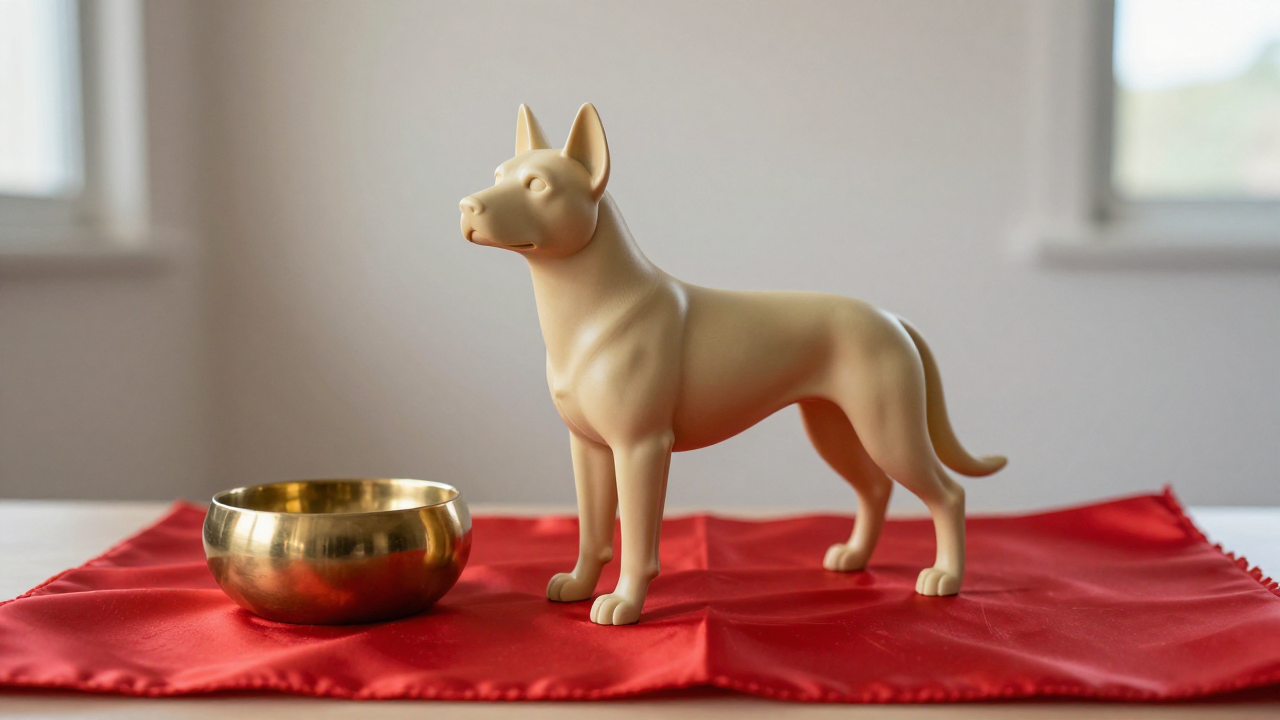
The twelve animal branches rotate alongside a ten-part heavenly-stem cycle. Their pairings repeat after sixty combinations, which is why 1946 and 2006 can share the Fire Dog label while remaining very different historical periods. The sixty-year interval describes the calendar system; it does not make people born in those years interchangeable.
Within the label, Dog identifies the earthly branch and Fire identifies the associated stem element. Keeping both parts together matters: a Dog year with another element is not a Fire Dog year. This is a classification distinction, not a ranking of stronger or weaker personalities.
The cycle can be pictured as two rotations advancing together rather than as a list of isolated animal years. Twelve branches and ten stems meet in permitted pairings, and the combined sequence returns to its starting relationship after sixty years. That explains why the same label can identify people separated by several generations without implying that their lives repeat. Historical conditions, family circumstances, education, and personal choices are not carried by the calendrical cycle. A reader comparing 1946 and 2006 should therefore separate the stable classification rule from the radically different contexts of those years.
The calendar supplies a name for the pairing; it does not supply a biography. This distinction also helps when translating a Chinese cyclical designation into English, because “Fire Dog” is shorthand for a technical pairing rather than a claim that fire is literally present in a person.
Fire Dog beside other Dog years
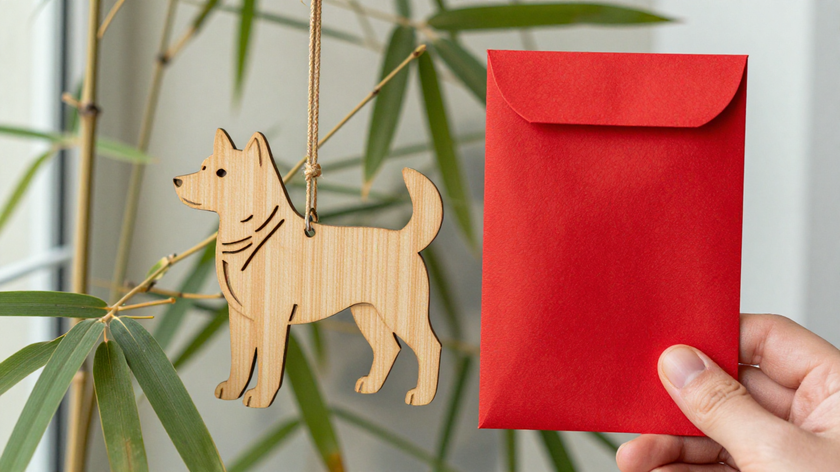
Comparing neighboring Dog years makes the cycle easier to see. Metal, Water, Wood, Fire, and Earth Dog labels occur at different points in the larger rotation. They share the Dog branch but not the same stem element, so a simple “Dog year” lookup answers only part of the question.
A useful comparison table should show the Gregorian span, the Lunar New Year boundary, the animal branch, and the element. It should not turn those columns into forecasts about careers, relationships, health, or money. Those outcomes depend on evidence and choices that a calendar label cannot supply.
A comparison across Dog years can begin with the branch held constant and the stem element changed. That method shows exactly which part of the label is shared. It is less useful to compare two people by collecting broad adjectives from popular charts, because those descriptions often differ across publishers and are difficult to verify. A stronger reference table includes start and end dates, the corresponding stem and branch, and a citation for the calendar boundary. If an article adds traditional associations, those should be labeled as interpretations rather than facts about every person born in the span.
Readers can then use the table for its real purpose: locating a date in the cycle and understanding why two Dog years have different complete names. The comparison becomes clearer, not less interesting, when the claim is kept within what the calendar can demonstrate.

What the label can and cannot tell you
Fire Dog can place a birth date within a traditional calendrical cycle and help a reader understand cultural references to animal-element years. It cannot verify character, compatibility, or future events. Broad personality descriptions are interpretive traditions rather than measurements of an individual.
For a careful lookup, preserve the exact birth date and the source used for the lunar boundary. If the question concerns a real decision, use information relevant to that decision instead of treating the zodiac label as evidence. The historical label remains meaningful without being stretched into a personal guarantee.
The label is most reliable when answering a narrow question such as “Which stem-and-branch year contains this birthday?” It becomes unreliable when used as evidence that someone will be loyal, forceful, fortunate, or compatible with another sign. Even when such themes are familiar parts of popular zodiac culture, they remain general interpretations. For introductions, museum notes, or cultural learning, it is enough to explain the cyclical structure and its traditional vocabulary.
For hiring, health, relationships, or financial planning, the relevant evidence comes from actual qualifications, behavior, consent, records, and professional guidance. A well-bounded page therefore gives readers both the cultural meaning and an exit from overclaiming. It invites verification of the date while refusing to turn an inherited calendar system into a deterministic judgment about an individual.
A concise Fire Dog record can therefore contain four fields: the complete birth date, the Lunar New Year boundary used, the resulting stem-and-branch label, and the calendar source. That record is enough to support the factual classification and easy for another reader to verify. Optional notes about traditional associations should sit in a separate field so they are not confused with the date calculation. This format is useful when a family compares several birthdays or when a teacher explains why a classmate born in January may belong to the preceding zodiac year.
It also handles uncertainty honestly: if the time zone or historical calendar source is unclear, mark the result for review instead of forcing a label. The practical outcome is modest but solid. The reader learns where Fire Dog belongs, why the name repeats, and how boundary dates change a lookup.
Nothing in that process requires a claim about destiny. Accuracy comes from the calendar evidence, while cultural interest comes from understanding how the cyclical naming system has been used and discussed.
Date-first Fire Dog lookup
- Write the complete Gregorian birth date
- Find that year’s Lunar New Year date
- Confirm both the Dog branch and Fire stem
- Keep calendar classification separate from prediction
Fire Dog date and cycle FAQ
Was all of 2006 a Fire Dog year?
No. The Fire Dog year began at Lunar New Year, so early-2006 birthdays must be checked against the exact boundary.
How often does a Fire Dog year return?
The same animal-element pairing returns every sixty years in the stem-and-branch cycle.
Is Fire Dog the same as every Dog year?
No. Dog years share the animal branch, but the accompanying element changes across the larger cycle.
Does a Fire Dog birth year determine personality?
No. It is a traditional calendar label and does not establish an individual personality or forecast.